Chemical Containment

Chemical-resistant bund lining and tank lining systems, manufactured in Malaysia

When a storage tank fails, the bund lining — the chemical-resistant coating inside the containment wall that catches a spill if a tank ever leaks — is the last barrier between the chemical and the ground beneath your plant. Bare concrete is not that barrier: it is porous, and acids, alkalis and solvents attack it quietly until the day it matters.

Dritech Chemicals manufactures chemical-resistant bund lining and tank lining systems in Selangor, and our linings are installed in containment structures at sites regulated by DOSH (Jabatan Keselamatan dan Kesihatan Pekerjaan — Malaysia's Department of Occupational Safety and Health, the regulator for facilities storing hazardous chemicals), including the RAPID Pengerang petrochemical complex.

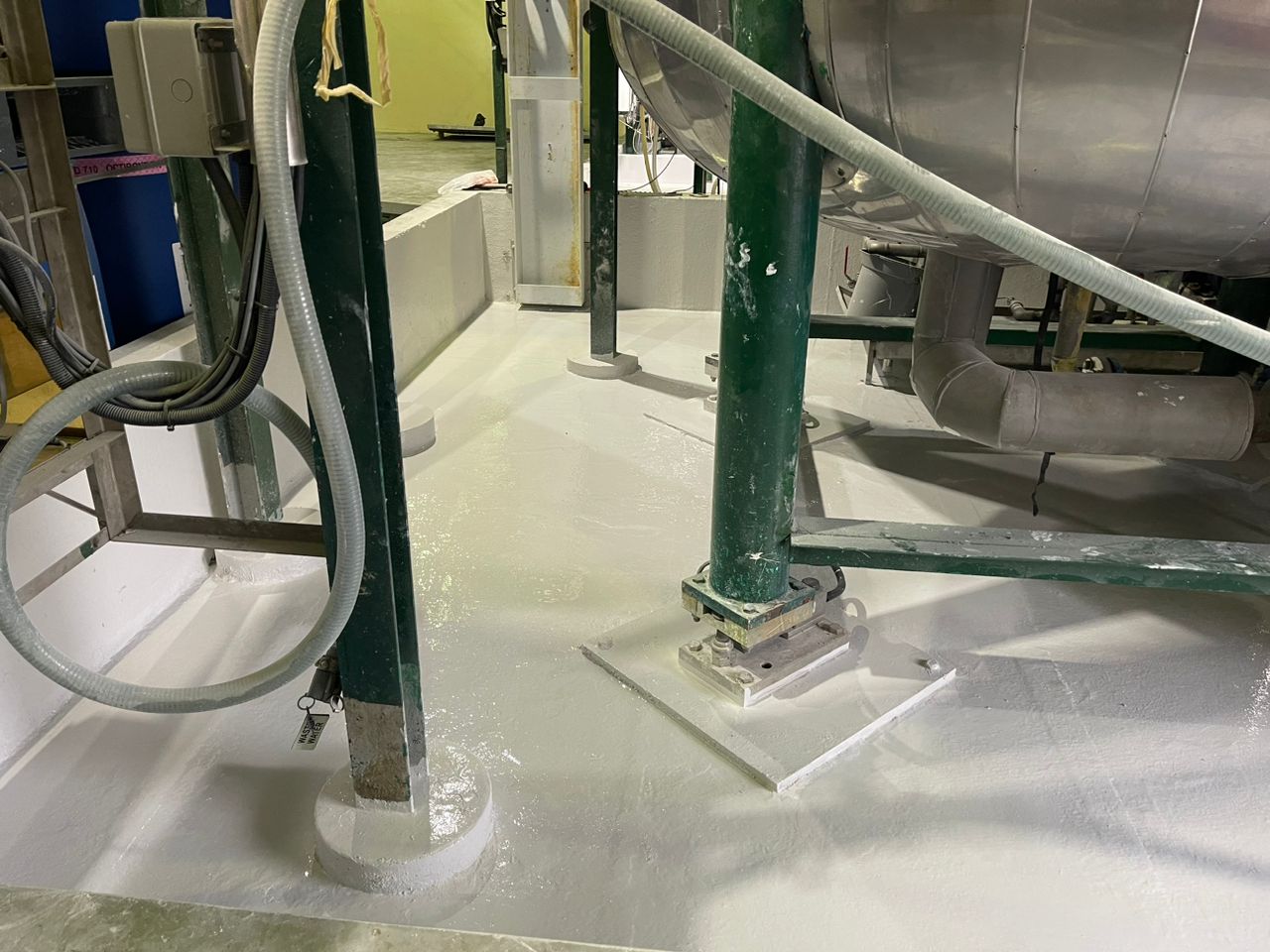
Dri-Gard tank lining system installed on a storage tank at the RAPID Pengerang petrochemical complex, Johor
Scenarios

When you need a chemical-resistant bund lining

  • New bund walls for chemical or fuel storage that must satisfy the 110% containment rule — the requirement that a bund holds at least 110% of the largest tank's volume, so a full tank failure is contained even with rainwater already in the bund.
  • Internal relining of concrete or steel tanks handling acids, alkalis, salts, solvents or effluent.
  • Wastewater and effluent treatment structures where untreated concrete is being eaten away by the process water itself.
  • Chemical drains, sumps and pits — the routes a spill actually travels — which need the same resistance as the bund they feed.
  • DOSH-regulated storage of hazardous chemicals where an audit or inspection finding requires a compliant, documented lining system.
  • Existing epoxy linings showing blistering, softening, discolouration or exposed fibers — the visible signs of chemical attack working through the film.
System Selection

Choosing a containment lining system

No single chemistry suits every containment duty. The honest comparison below covers the three lining families specifiers usually weigh: epoxy novolac — an epoxy with a phenolic backbone that cures into a denser, more chemical-resistant film than general-purpose epoxy; vinyl ester — a resin chemistry used where hot or strongly oxidising chemicals exceed what epoxies tolerate; and GRP (glass-reinforced plastic) — a laminated lining built up from resin and glass mat, similar to boat-hull construction.

System Chemical resistance Substrate & application Repair & maintenance Typical duty
Epoxy novolac Broad resistance to acids, alkalis, salts and many solvents at ambient to moderately elevated temperatures. Bonds directly to prepared concrete and steel; seamless, follows bund geometry and drainage details. Locally repairable — damaged areas are ground back and re-coated without replacing the lining. Bunds, tank internals, drains, sumps, wastewater structures. Dritech: Dri-Gard EP 1800.
Glass-flake epoxy Epoxy resistance range with added barrier effect — glass flakes lengthen the path a chemical must travel through the film. Solvent-free; tolerates damp substrates and can cure underwater, suiting wet-service structures. Locally repairable, as with other epoxies. Wastewater and underground tanks, tidal and splash zones. Dritech: Dri-Gard TZ 300GF.
Vinyl ester Withstands strongly oxidising acids and higher service temperatures than epoxies. More demanding application — styrene odour and stricter site controls; needs experienced applicators. Repairable, but repair work carries the same handling constraints as installation. Hot or concentrated acid service where epoxy resistance data rules epoxies out.
GRP lining Resistance set by the resin used; glass laminate adds mechanical robustness. Laminated in place or prefabricated; joint and lamination quality is critical and cost is higher. Local repair is harder — defects usually need cutting out and re-laminating. Severe-duty tanks and vessels where a thick structural laminate is specified.

Resistance always depends on the exact chemical, its concentration and service temperature. Confirm against the product data sheet — and against your stored chemical, not a generic category.

Containment Systems

Dritech containment lining systems

Both systems are manufactured at our Selangor facility, which means batch traceability, reliable supply and direct access to the formulators when a specification question comes up.

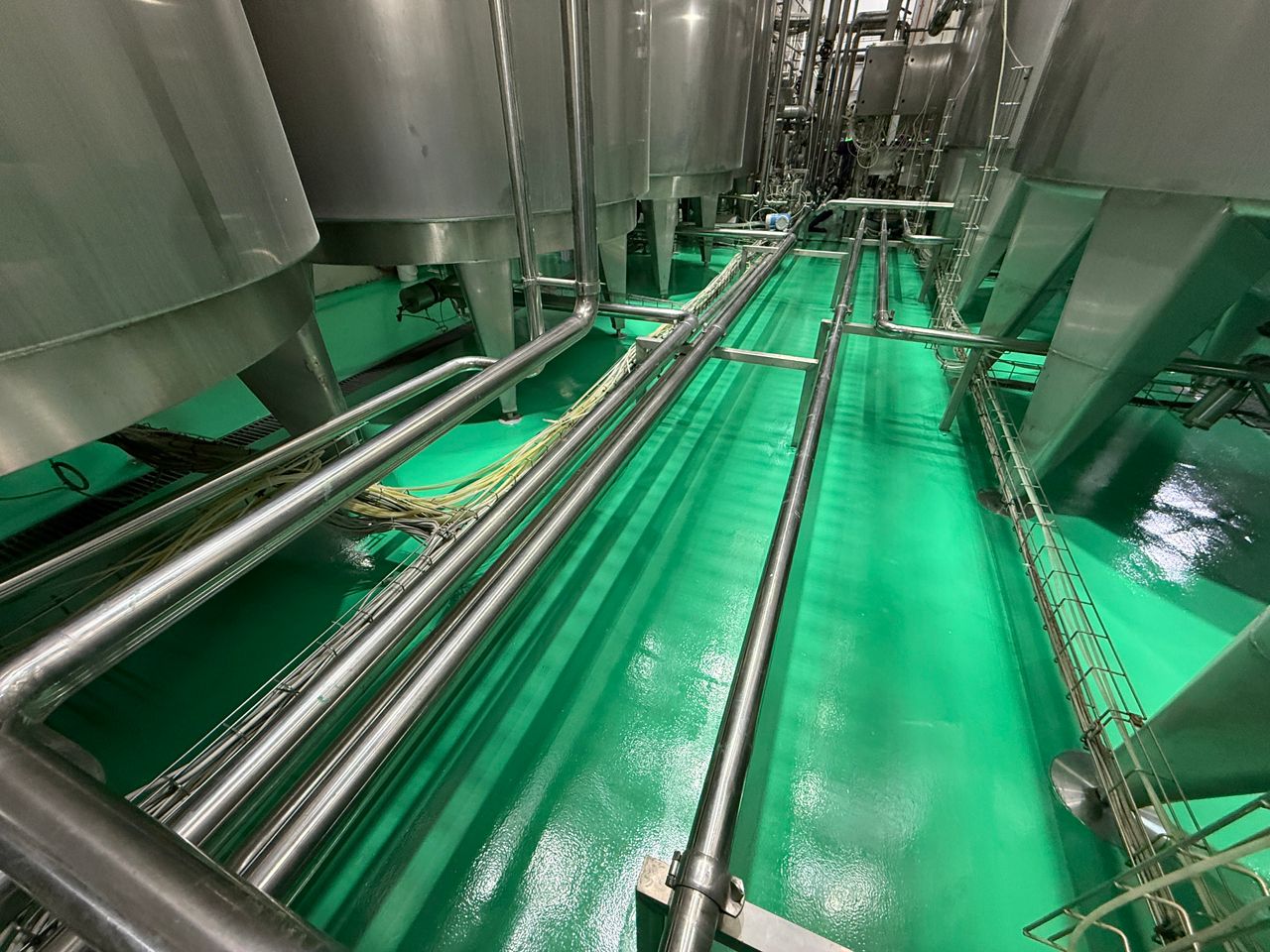
Dri-Gard EP 1800 epoxy novolac bund lining installed in the chemical storage containment area at Mewah Dairies Sdn Bhd
Epoxy Novolac Lining

Dri-Gard EP 1800

A two-component epoxy phenolic/novolac (EPN) lining designed to protect concrete and steel against aggressive chemicals, salts and solvents. Specified for wastewater treatment plants, buried tanks and pipes, chemical plants and petrochemical refineries — including tank lining works at RAPID Pengerang.

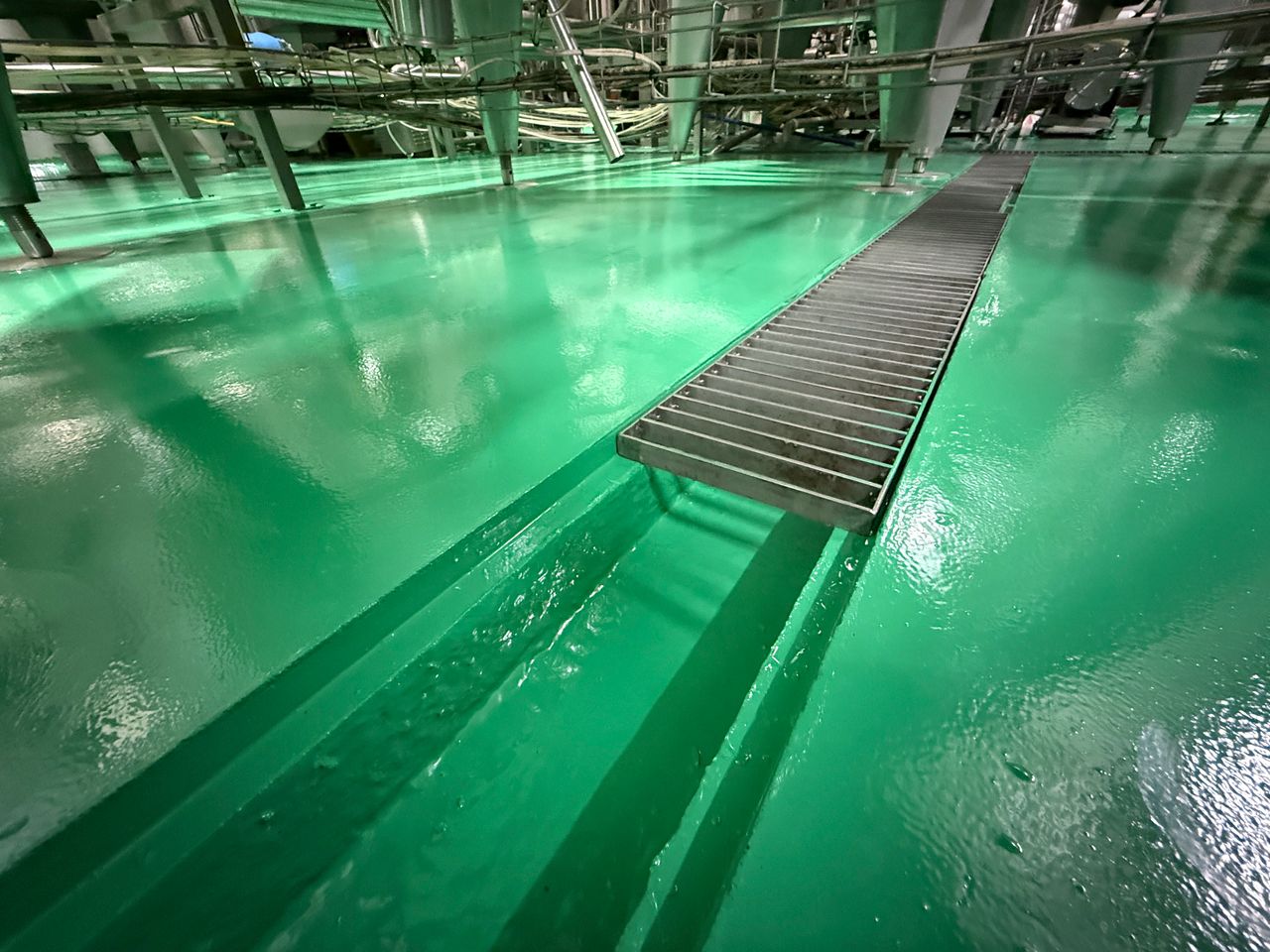
Application of Dri-Gard TZ 300GF glass-flake epoxy tank lining coating to a containment structure
Glass-Flake Epoxy

Dri-Gard TZ 300GF

A two-part, solvent-free epoxy protective coating reinforced with glass flake — tiny plates of glass in the film that lengthen the path any chemical must travel to reach the substrate. It adheres to wet surfaces and cures underwater, which suits wastewater tanks, underground tanks and tidal or splash zones.

Compliance

Standards and regulators that shape containment work

DOSH Malaysia's occupational safety regulator oversees sites storing hazardous chemicals, and containment integrity is part of what its inspections examine. Dritech linings are installed at DOSH-regulated facilities including RAPID Pengerang.
EN 1504 The European standard family for protecting and repairing concrete structures — the framework specifiers use to define what a protective coating must demonstrably do.
SIRIM SIRIM (Standard and Industrial Research Institute of Malaysia) is the national testing and certification body; third-party test reports verify a product does what its data sheet says.

Product data sheets, safety data sheets and available test reports are collected in our technical documentation library — datasheets are updated in place, so links always serve the latest revision. Background reading on containment and coating selection is in our insights articles.

Specifier Questions

Frequently asked questions

What does the 110% bund containment rule mean?

A bund must be able to hold at least 110% of the volume of the largest tank it surrounds, so a complete tank failure is still contained even with rainwater or firefighting water already in the bund. The lining matters because a bund that holds the volume but lets the chemical soak into bare concrete has still failed its job.

What is the difference between epoxy novolac and standard epoxy?

Epoxy novolac is an epoxy built on a phenolic backbone, which cures into a denser, more tightly cross-linked film. In practice that means it withstands a wider range of acids, solvents and higher temperatures than a general-purpose epoxy — which is why it is the usual choice for bund and tank linings. Dri-Gard EP 1800 is Dritech's epoxy novolac lining.

Can an existing tank or bund be relined without demolishing it?

Usually, yes. The existing surface is prepared — typically ground or blasted back to sound substrate — defects are repaired, and the new lining is applied over the prepared concrete or steel. A site inspection determines whether the substrate is sound enough to reline.

Can a lining be applied to damp concrete or wet-service structures?

Dri-Gard TZ 300GF adheres to wet surfaces and can cure underwater, which suits wastewater tanks, sumps and tidal or splash zones. Conventional linings such as Dri-Gard EP 1800 need substrate moisture checked before application — this is confirmed during specification.

Has Dritech supplied linings for DOSH-regulated sites?

Yes. Dritech tank lining systems are installed at various Oil & Gas, petrochemical and power plant projects, where containment structures fall under DOSH oversight, and we support the documentation a regulated site requires — product data sheets, safety data sheets and available test reports.

How do I confirm a lining resists the specific chemical we store?

Start with the chemical resistance data in the product data sheet, then confirm the exact chemical, its concentration and service temperature with us — resistance changes with both concentration and heat. Because our manufacturing is based locally in Malaysia, our formulators can advise on your case directly.

How long does a bund lining last, and what maintenance does it need?

Service life depends on chemical exposure, temperature and mechanical wear, so there is no single number — the biggest factors are surface preparation quality at installation and inspection discipline afterwards. An annual visual check for blistering, cracking or discolouration, with local repair of any damage found, keeps a lining serviceable at a fraction of the cost of reactive replacement.

Next Step

Discuss your containment specification

Send us the stored chemical, concentration, service temperature and structure details — we will respond with a lining recommendation and the supporting data sheets.

Tel +6016-618 2178 · info@dritechchemicals.com